
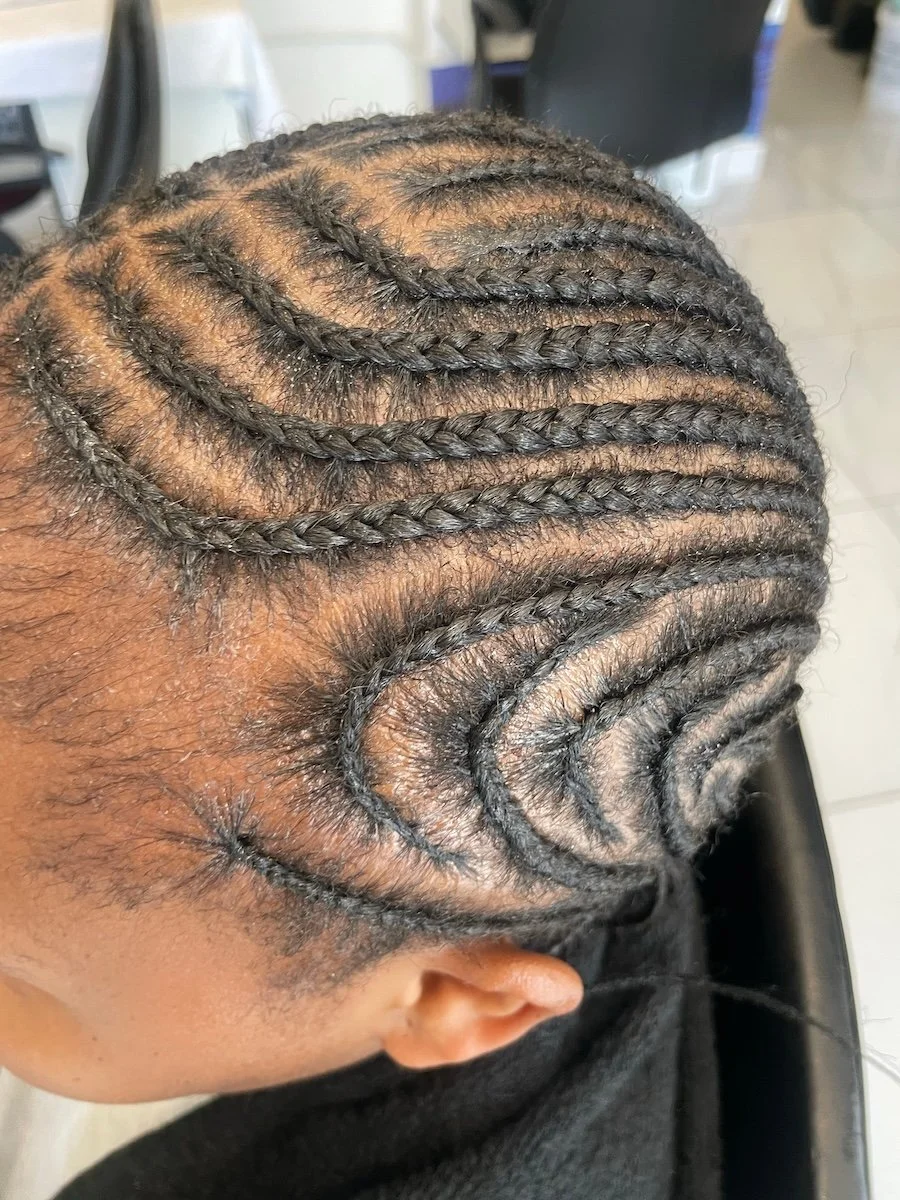
Traction Alopecia
Traction alopecia is a type of hair loss that occurs as a result of the hair being pulled too tightly. It commonly occurs in hair styles such as ponytails, buns, tight braids, cornrows, hair weaves, and hair extensions.
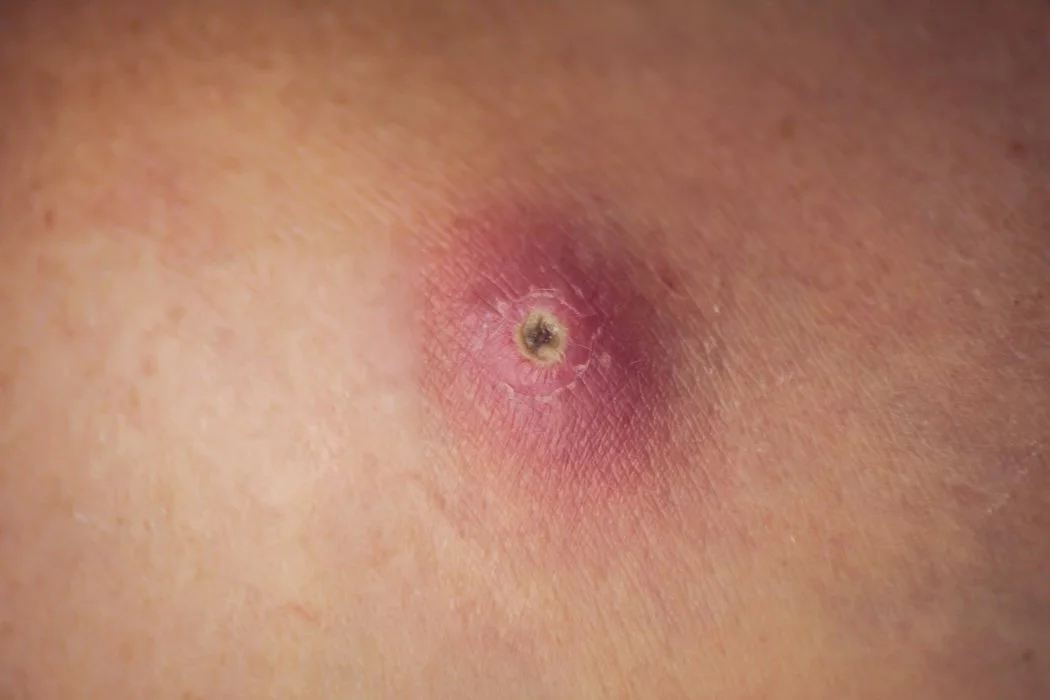
Boil/Furuncle
A boil, also known as a furuncle, is a painful, pus-filled bump that results from a bacterial infection of the hair follicle. It is a common skin infection, typically caused by a bacteria called Staphylococcus aureus.
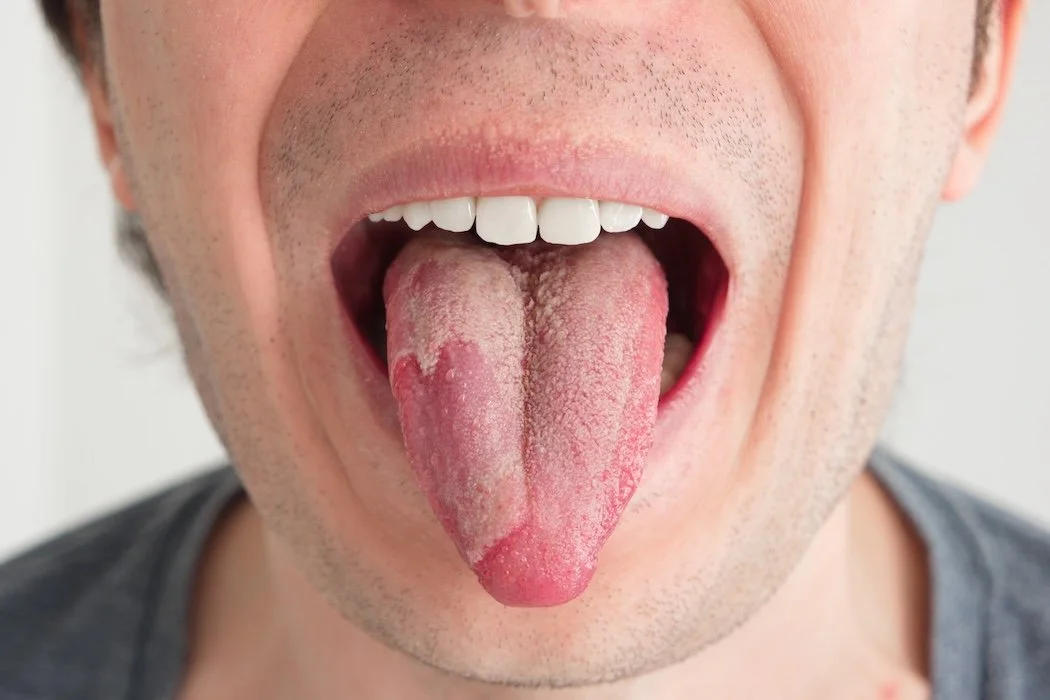
Candidiasis
Candidiasis is an infection caused by the yeast Candida. Candida skin infections (cutaneous candidiasis) can occur at any site, but tends to favor warm, damp environments such as the skin folds and the groin region.

Cellulitis
Cellulitis is a common bacterial infection of the deeper structures of the skin. The infection presents as a focal area of redness, swelling, and pain which is warm to the touch. These skin findings can be accompanied with fevers, chills, fatigue, and malaise.

Genital Herpes
Genital herpes is a sexually transmitted infection caused by an infection with the herpes simplex virus (HSV). There are two types of the herpes simplex virus- herpes simplex virus type 1 (HSV-1) and herpes simplex virus type 2 (HSV-2).
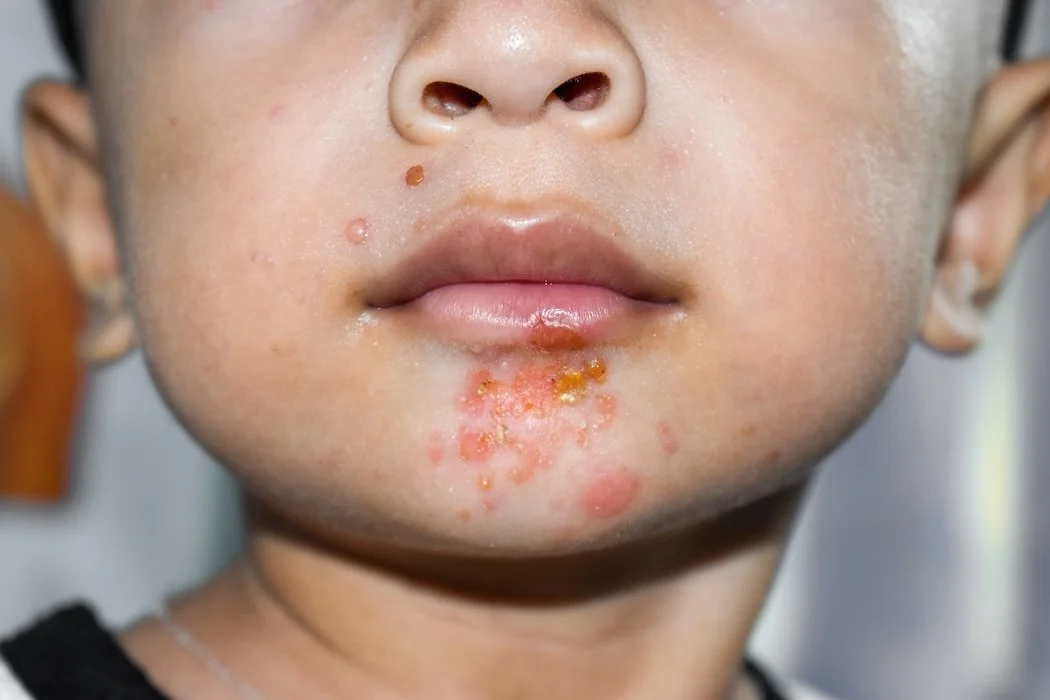
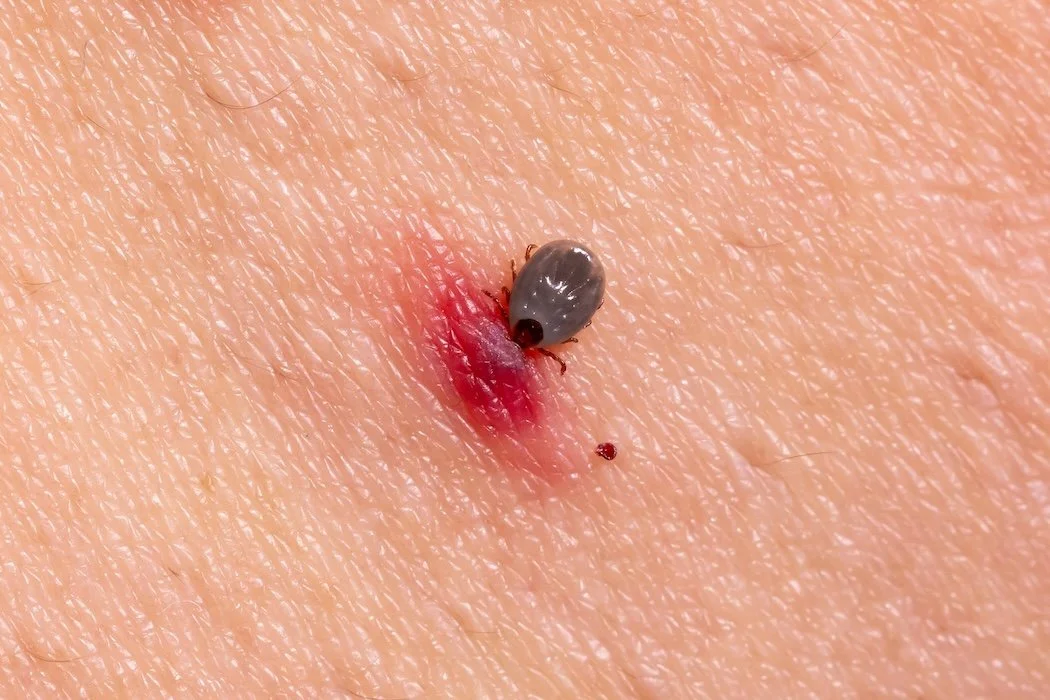
Lyme Disease
Lyme disease is a tick-borne illness caused by the bacteria Borrelia burgdorferi. It is transmitted to humans through the bite of an infected tick (commonly the deer tick).
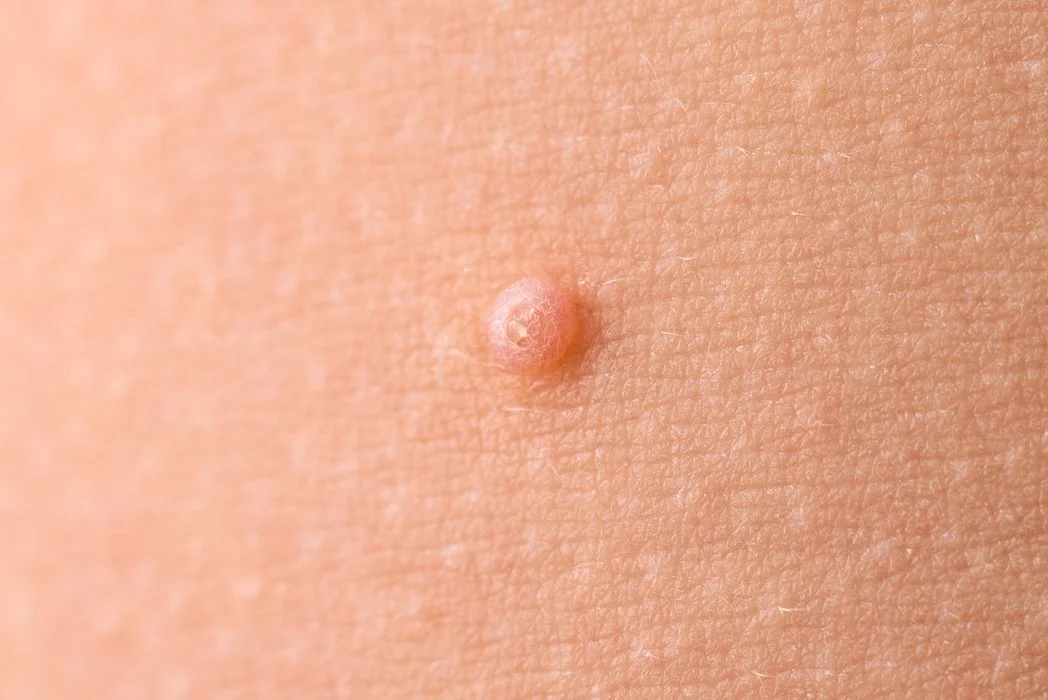
Molluscum Contagiosum
Molluscum, or molluscum contagiosum, is a common viral skin infection caused by the molluscum contagiosum virus (MCV). This benign condition typically presents with pink, round bumps with a central indentation.
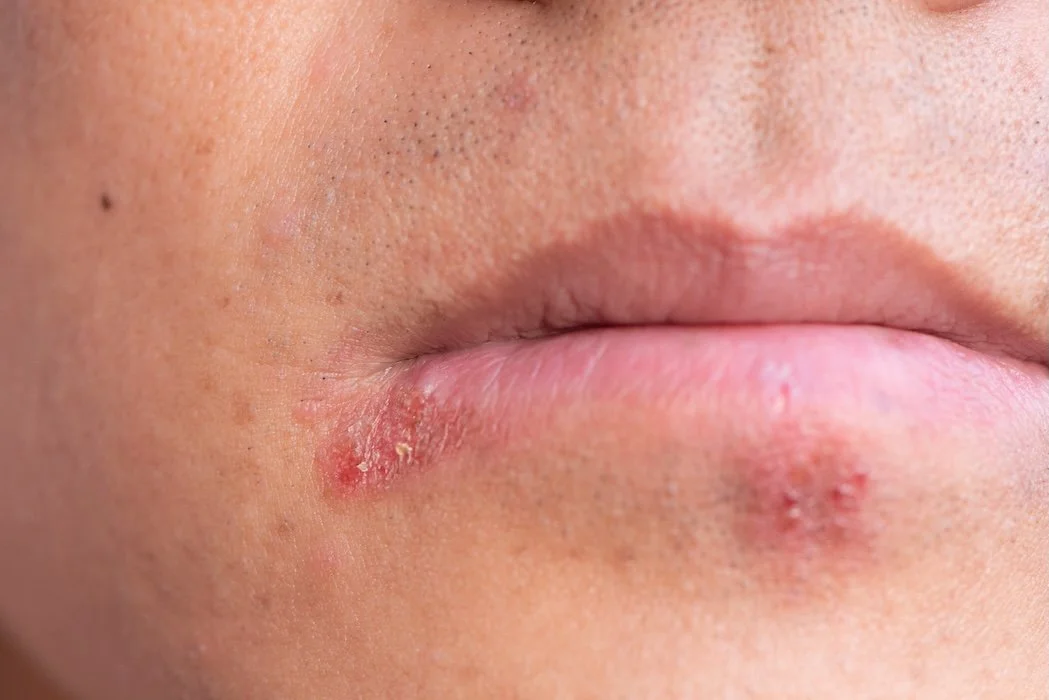
Oral Herpes (Herpes Simplex Labialis, Cold Sores, Fever Blisters)
A cold sore is a blister or a cluster of blisters that typically form on or around the lips and mouth. Affected people can experience recurrent bouts of blister outbreaks, often triggered by sun exposure, hormonal fluctuations, stress, illness, or injury.
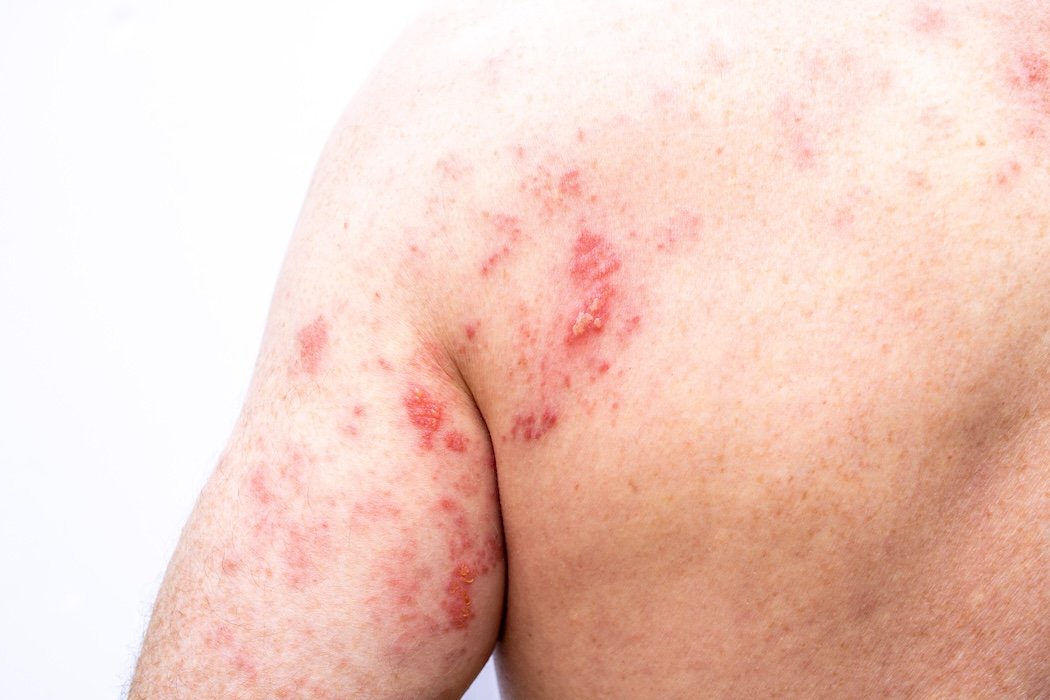
Shingles (Herpes Zoster)
Shingles is a rash caused by the reactivation of the chickenpox virus (also known as the varicella zoster virus or VZV). Classically, the rash affects only one side of the body, within a single stripe or band known as a dermatome.
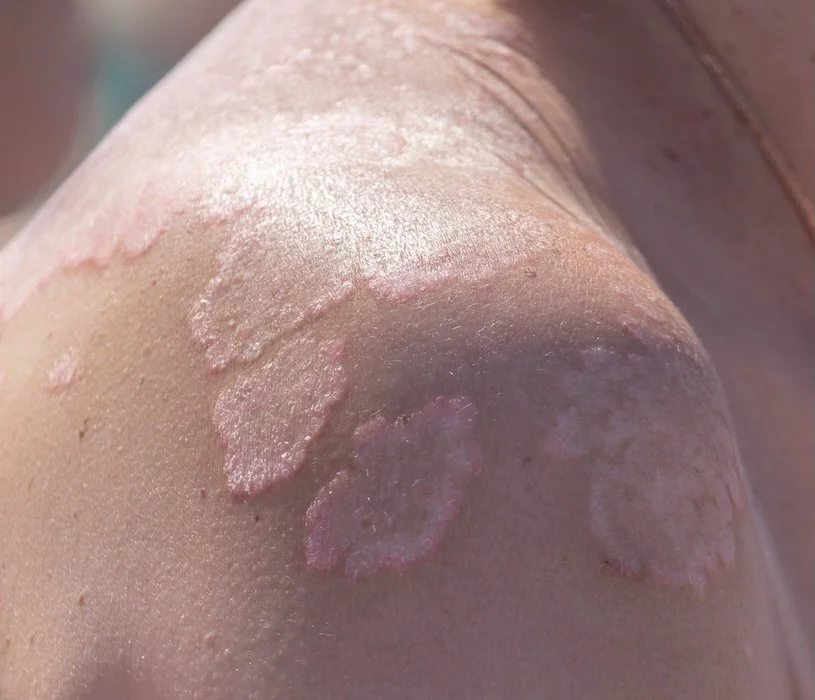
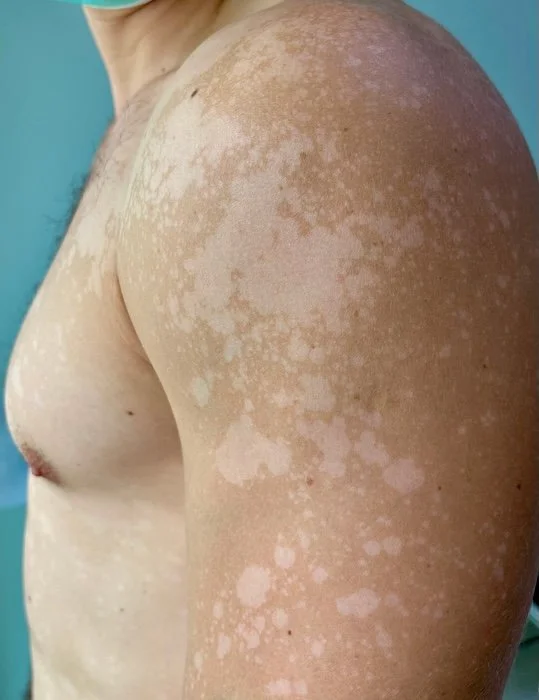
Tinea Versicolor
Tinea versicolor, also called pityriasis versicolor, is a common skin infection caused by the overgrowth of a yeast. Typically, it presents as patchy areas of lighter or darker discoloration on the trunk and shoulders that can be scaly in appearance.
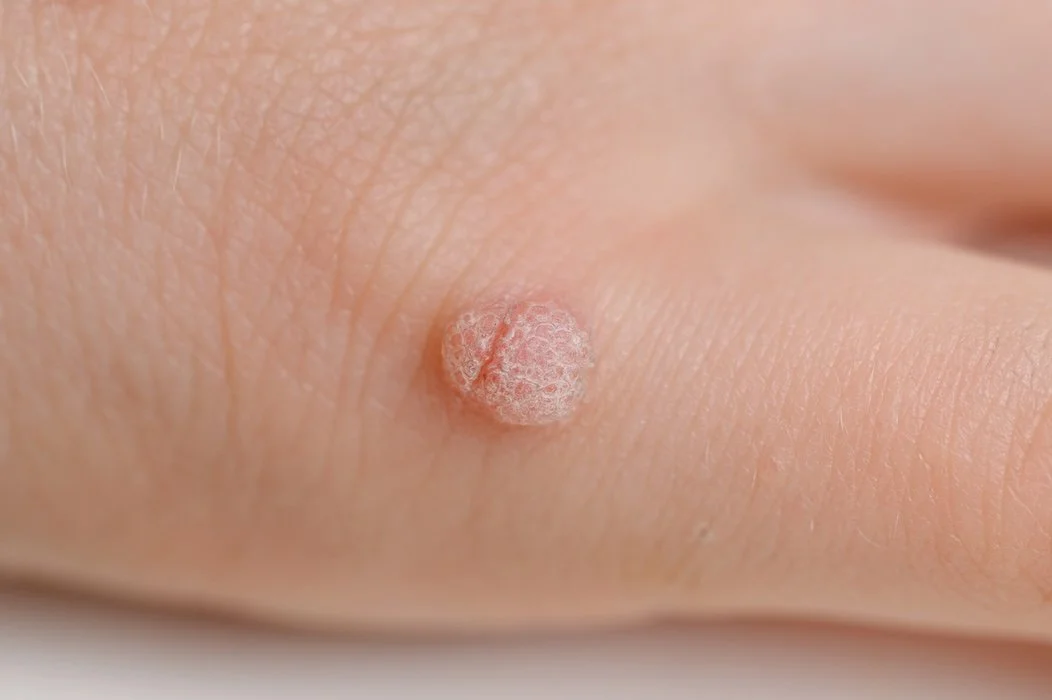
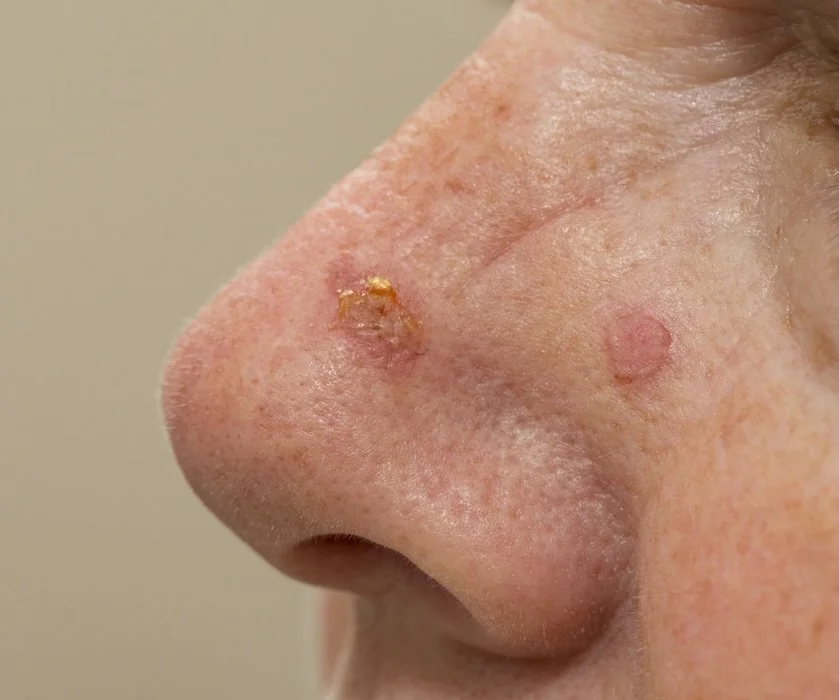
Actinic Keratoses
Actinic keratoses (AKs) are precancerous skin growths caused by long-term exposure to ultraviolet (UV) radiation, typically from sunlight or tanning beds.
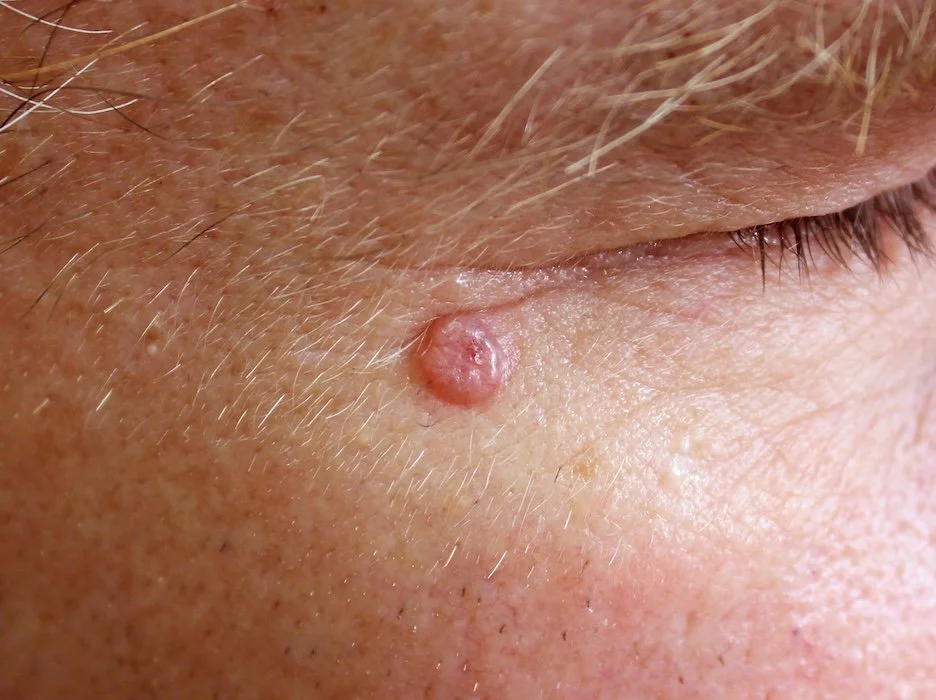
Basal Cell Carcinoma
Basal cell carcinoma is the most common type of skin cancer and the most frequently occurring form of all cancers. It typically occurs on sun-exposed areas such as the scalp, face, nose, ears, neck, chest, shoulders, or back.
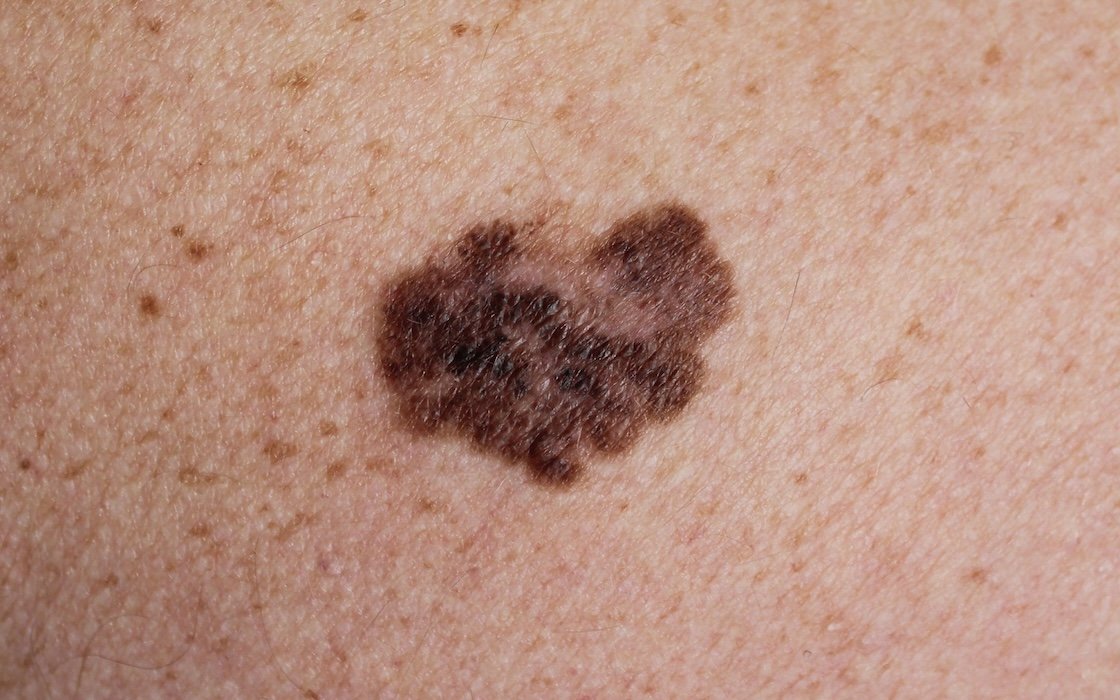
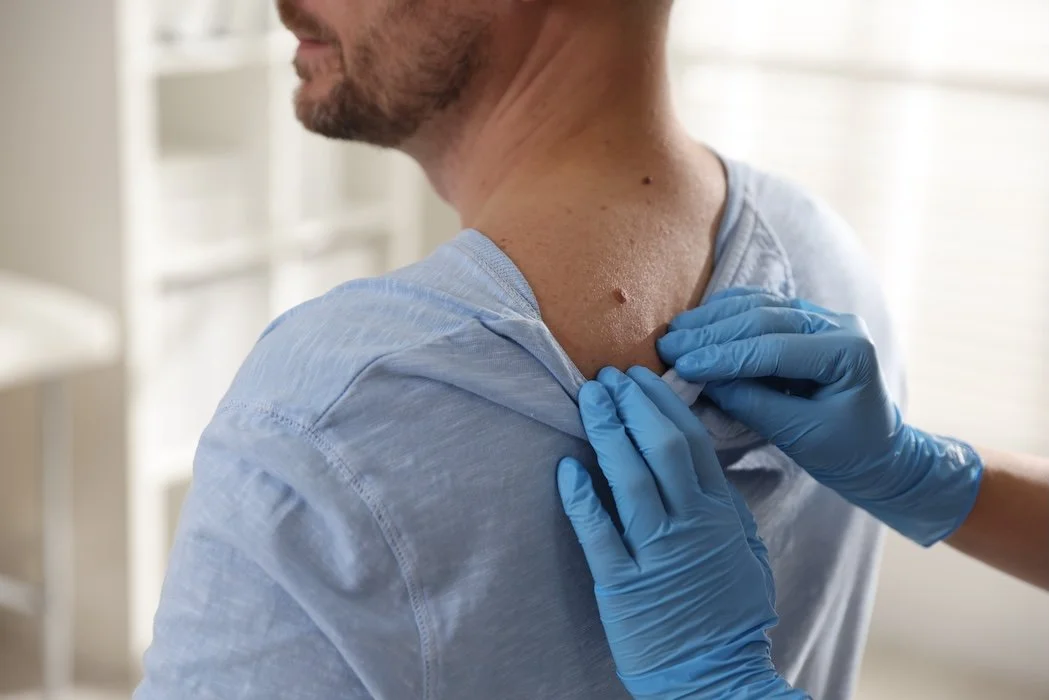
Merkel Cell Carcinoma
Merkel cell carcinoma is a rare but very aggressive form of skin cancer. It commonly presents as a rapidly growing nodule or bump on a sun-exposed site such as the face, head, or neck.
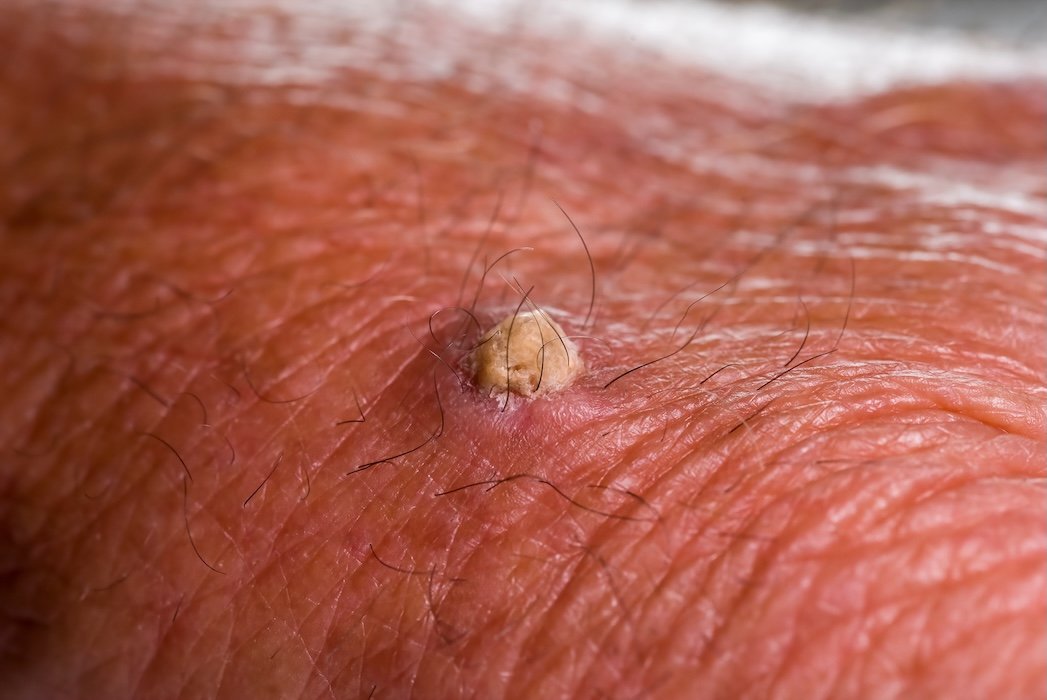
Squamous Cell Carcinoma
Squamous cell carcinoma is the second most commonly occurring type of skin cancer. It appears most frequently in areas that are exposed to direct sunlight, such as the face, nose, ears, lips, neck, and back of the hands.

How to Use Topical Retinoids
Topical retinoids are available in many over the counter skin care products as well as prescription strength medications. They work to treat a variety of skin care problems ranging from fine lines and wrinkles to acne breakouts and psoriasis.