
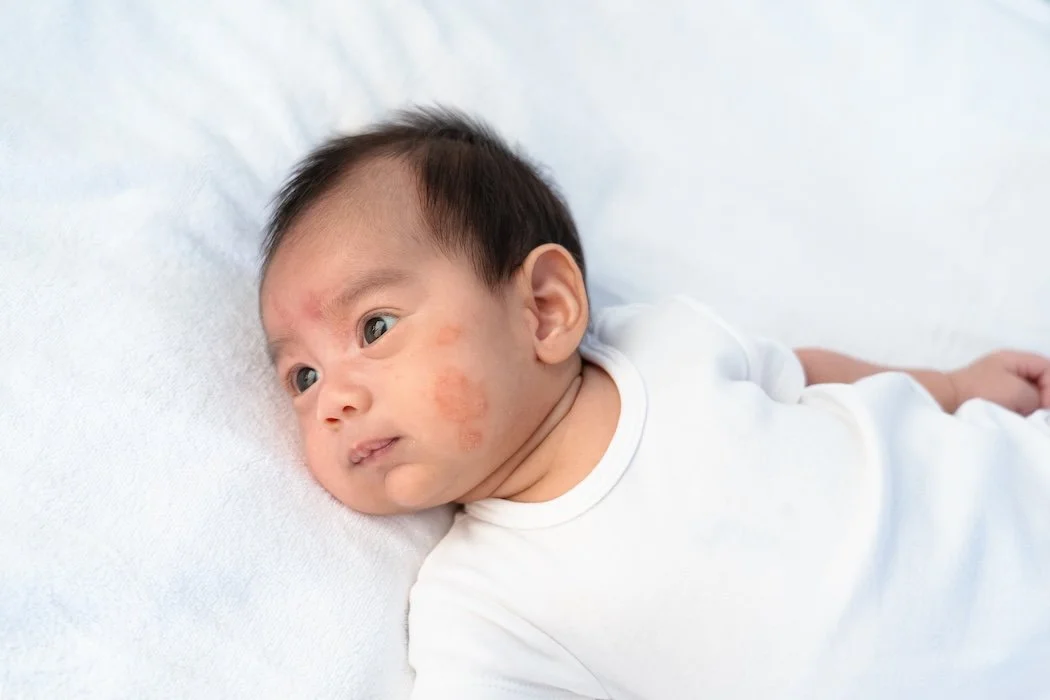
Pityriasis Alba
Pityriasis alba is often thought of as a low grade form of eczema. It presents with ill-defined, light colored (hypopigmented), slightly scaly patches of skin most commonly found on the face.
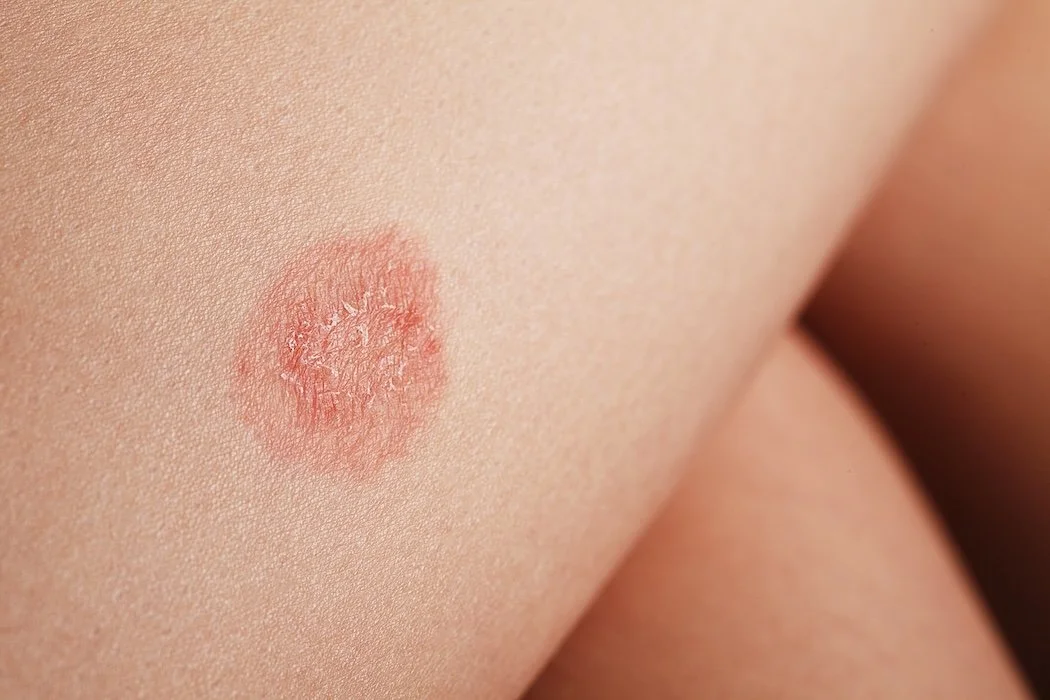
Pityriasis Rosea
Pityriasis rosea is a common, self-limited rash that typically begins with the appearance of a solitary, enlarging, circular, pink, scaly patch - known as the “herald patch”. In the following 1-2 weeks, numerous smaller, round to…
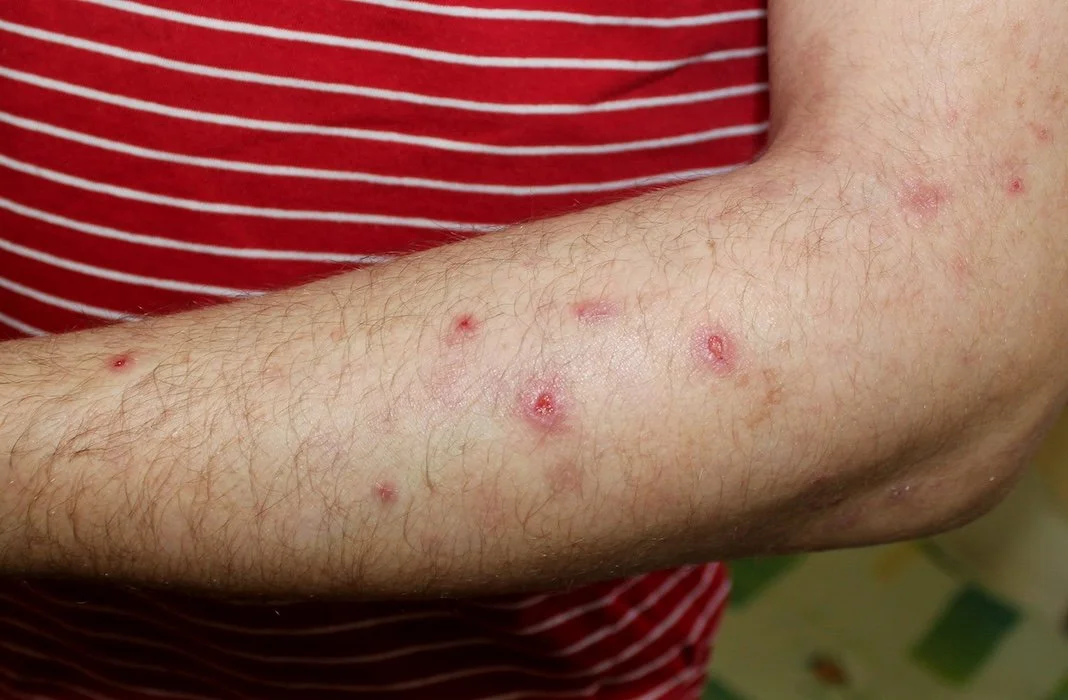
Prurigo Nodularis
Prurigo nodularis is a condition where repeated scratching or picking at a site creates itchy, raised, hard bumps on the skin.
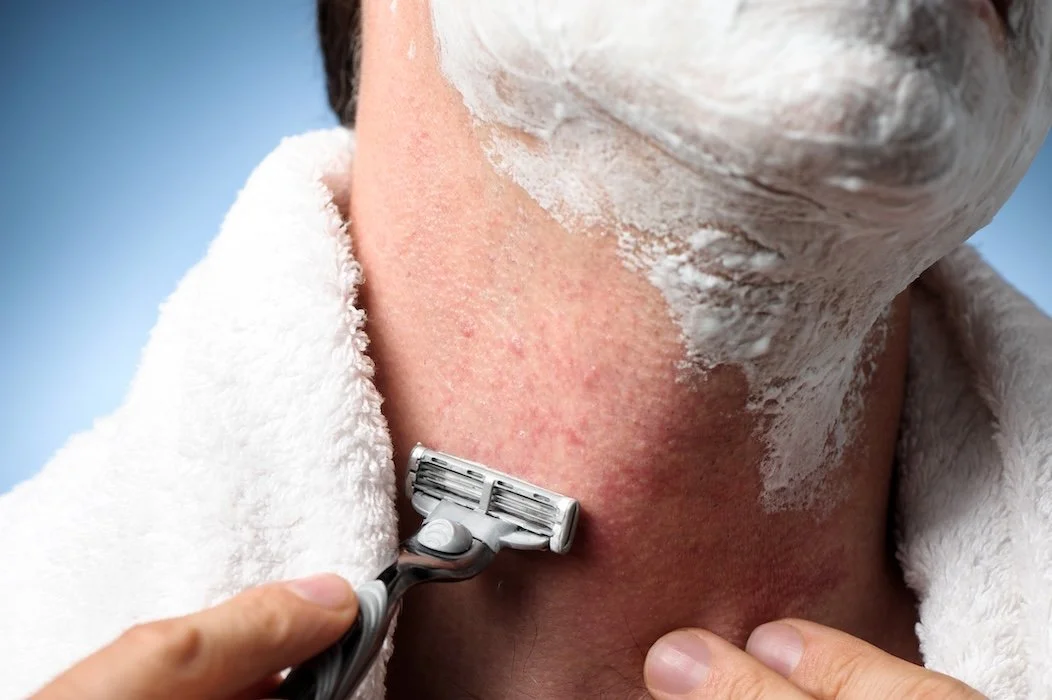
Pseudofolliculitis Barbae
Pseudofolliculitis barbae is a chronic inflammatory condition which predominantly affects Black men. Affected individuals develop pink papules and pustules around the hair follicles on the face and neck as a result of shaving.
Sarcoidosis
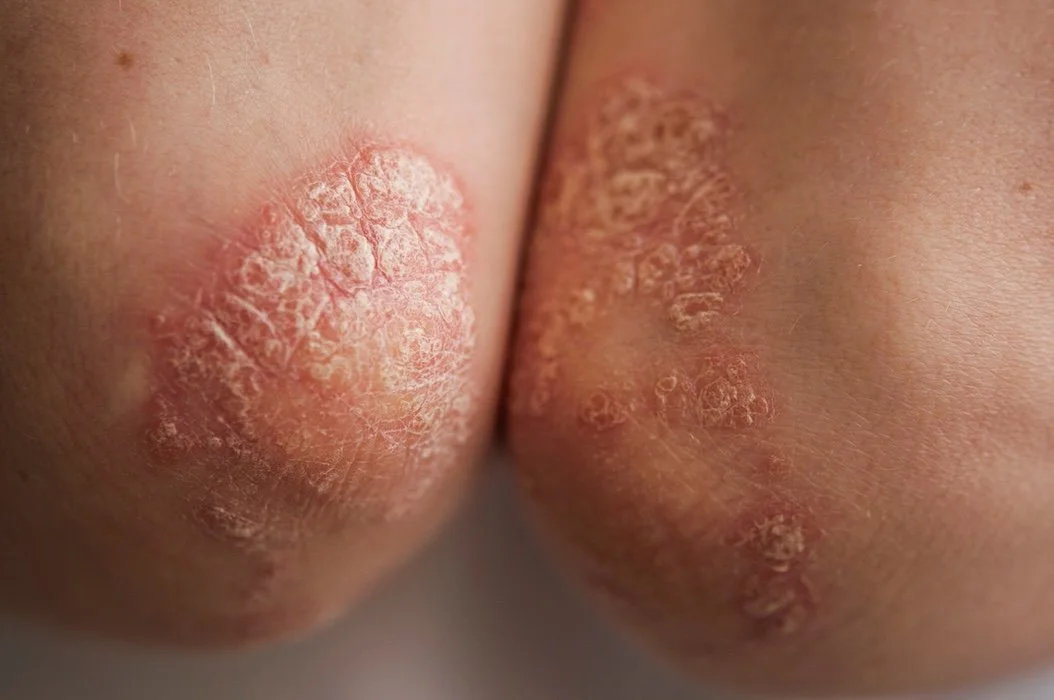
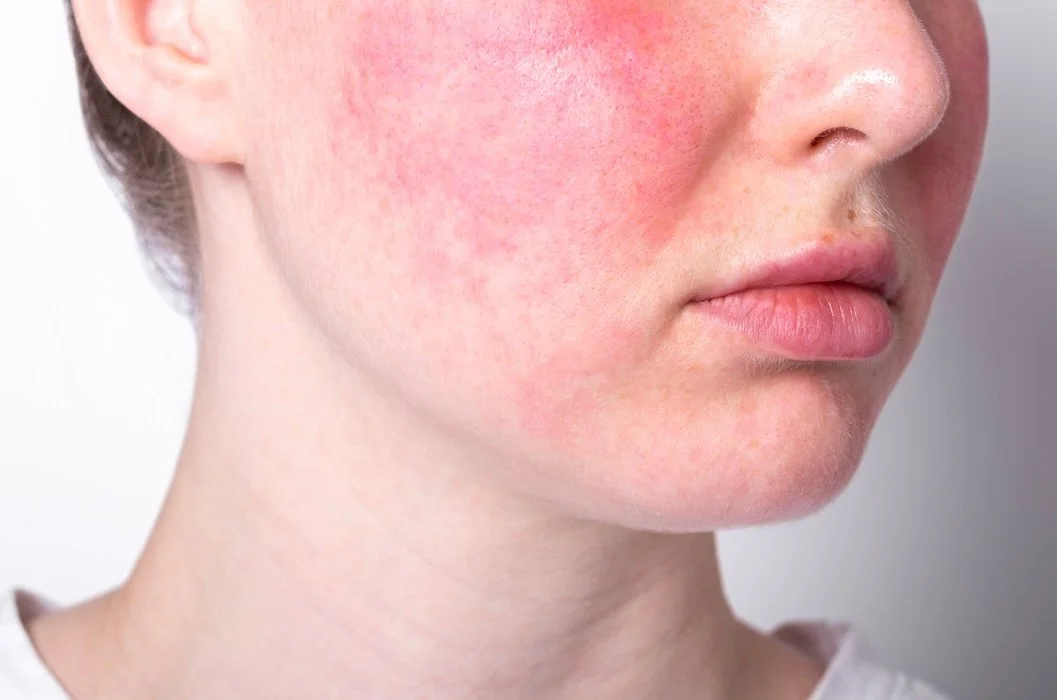
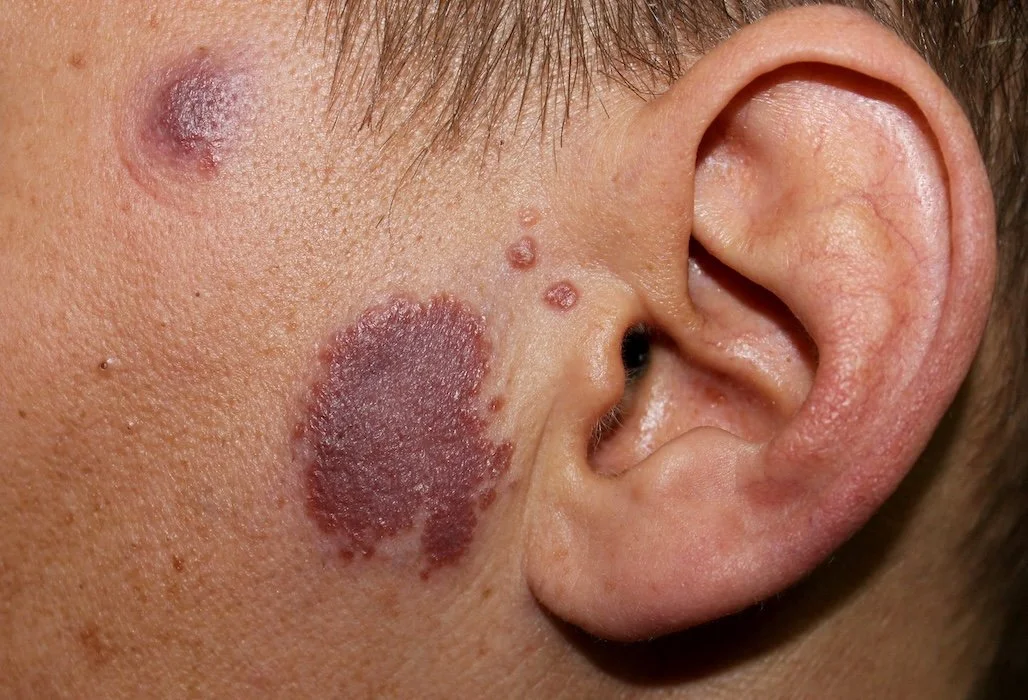
Sarcoidosis is an inflammatory condition where the immune system goes into overdrive, creating clusters of inflamed tissue called granulomas to form in different parts of the body.
Scleroderma (Systemic Sclerosis)
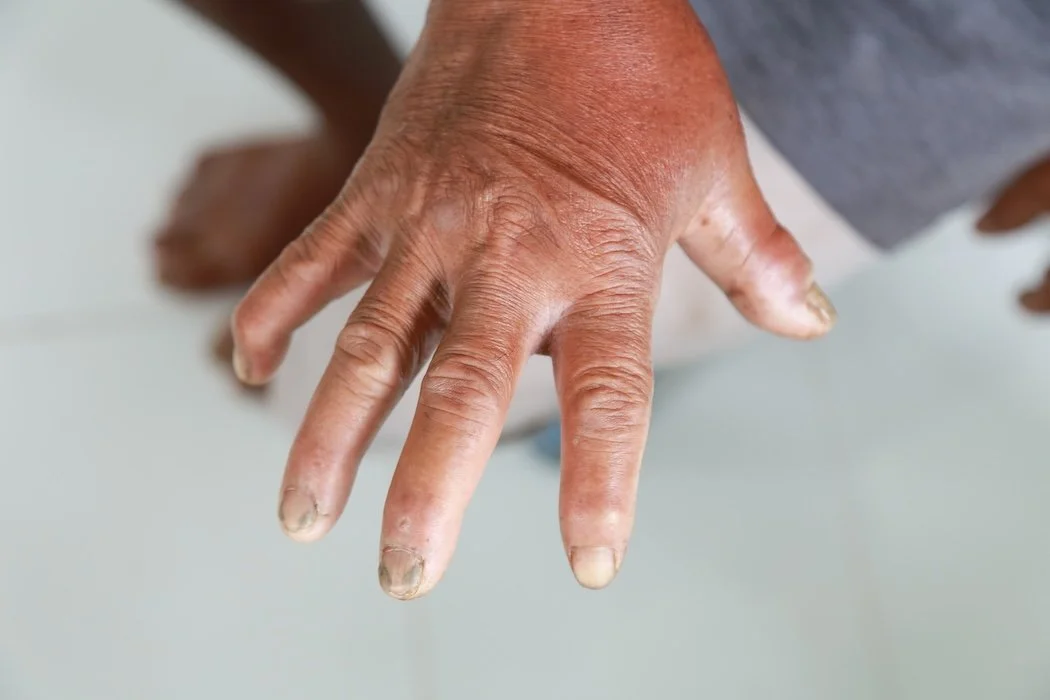
Scleroderma is a rare autoimmune condition that causes the hardening and tightening of the skin and connective tissue underneath it.
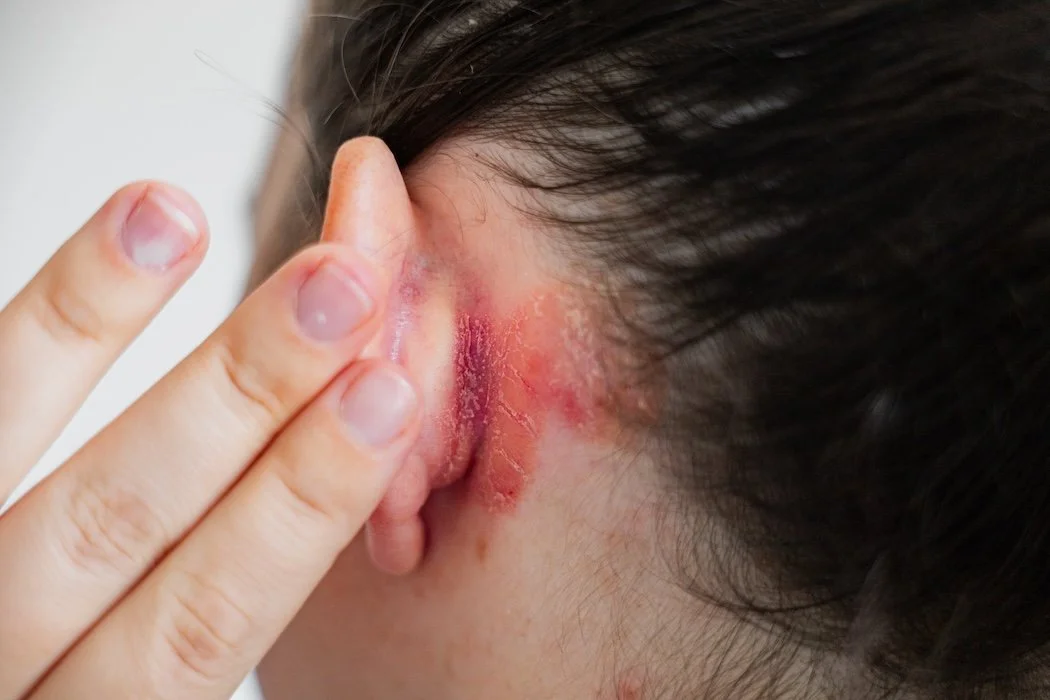
Seborrheic Dermatitis
Seborrheic dermatitis is a very common skin condition which presents with itchy, red patches of skin, greasy scales, and flaking. Common areas of involvement include the scalp, ears, eyebrow region, and sides of the nose.
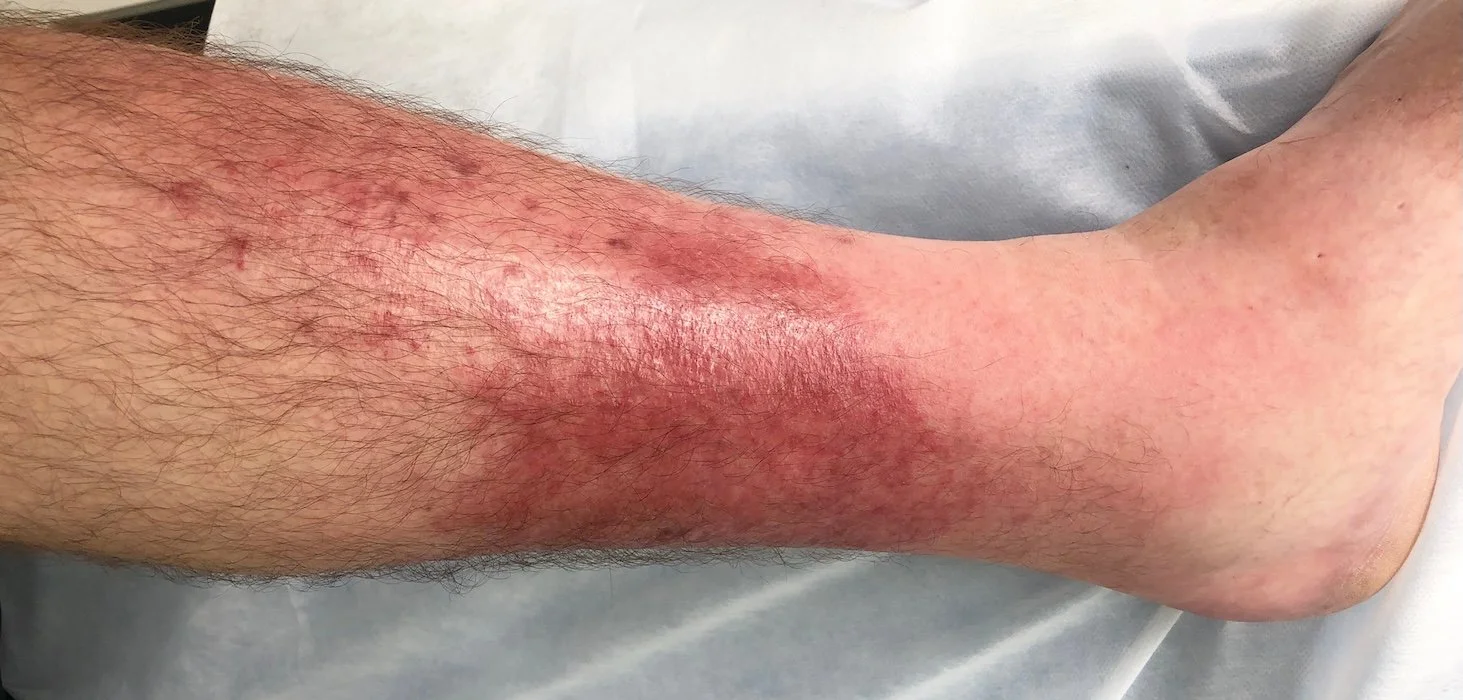
Stasis Dermatitis
Stasis dermatitis is a type of eczema that develops on the lower legs as a result of poor circulation. In affected people, the valves in the deep leg veins that help push…
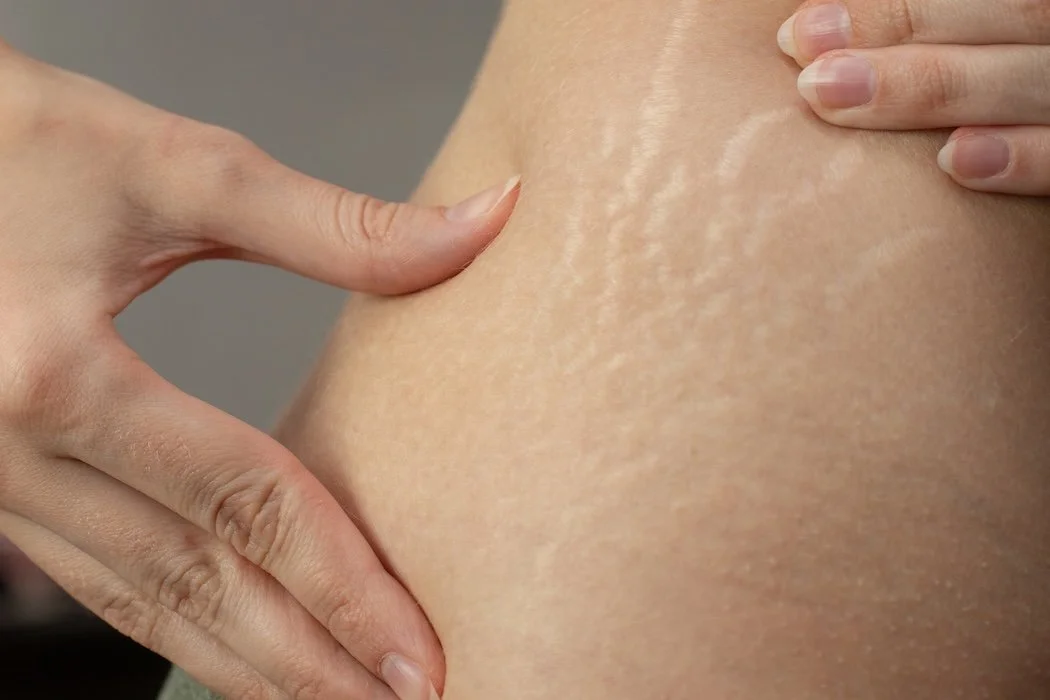
Stretch Marks (Striae)
Stretch marks are a type of scar that occurs when the skin stretches rapidly. Examples include: growth spurts during puberty, pregnancy, rapid weight loss or gain, and bodybuilding.
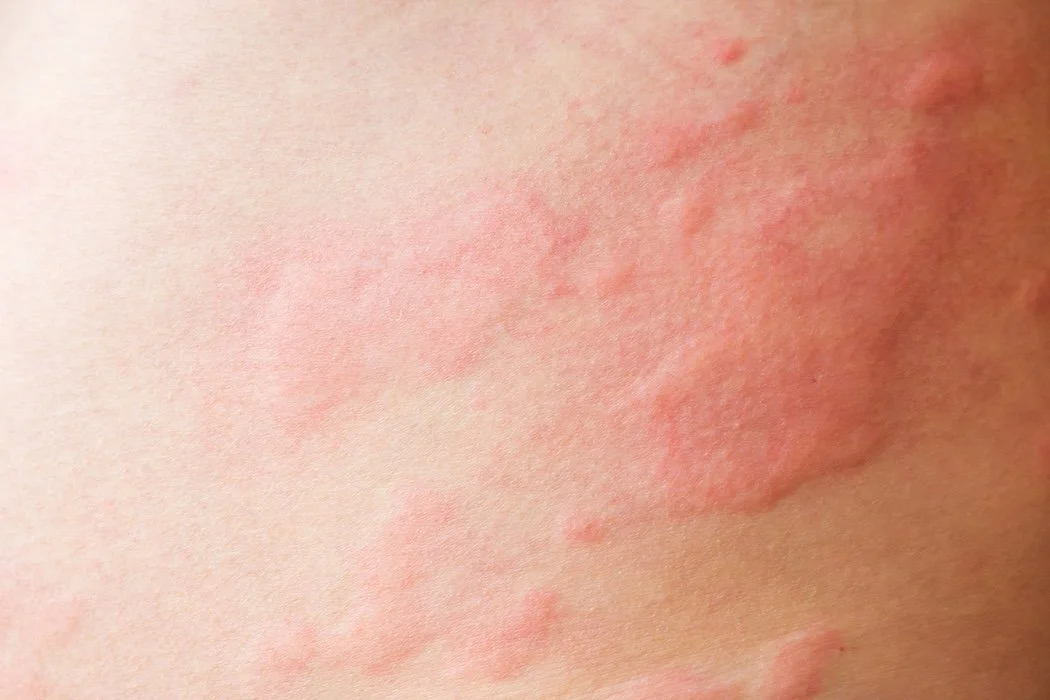
Urticaria (Hives)
Urticaria is the medical term for hives - a common skin rash which presents with itchy pink welts. The welts can vary in size, shape, and distribution.
Alopecia Areata
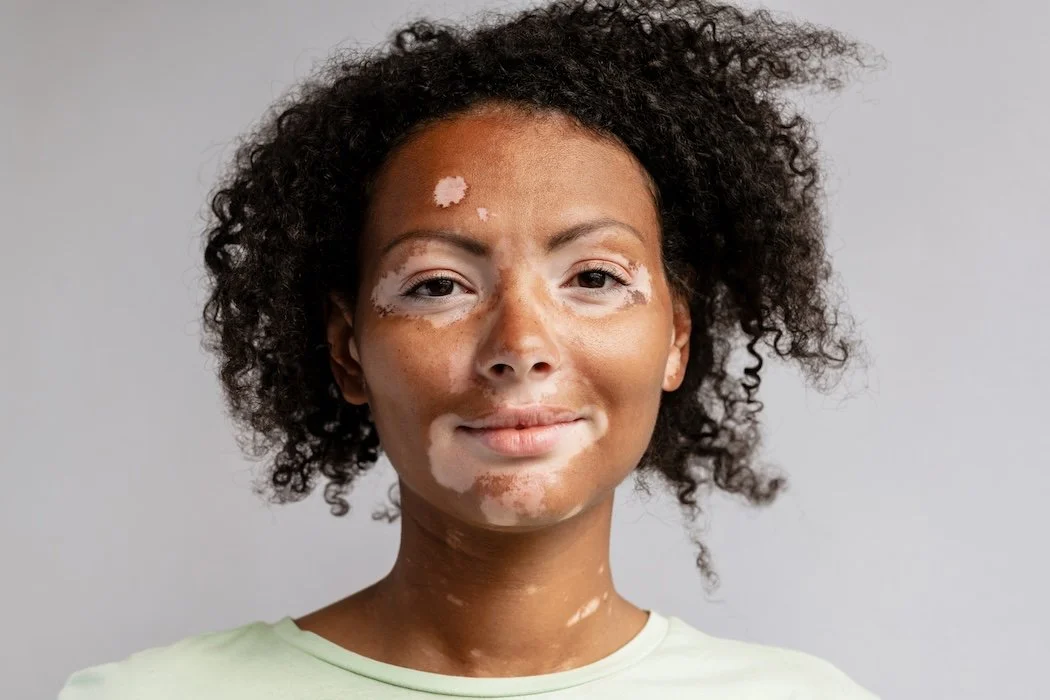
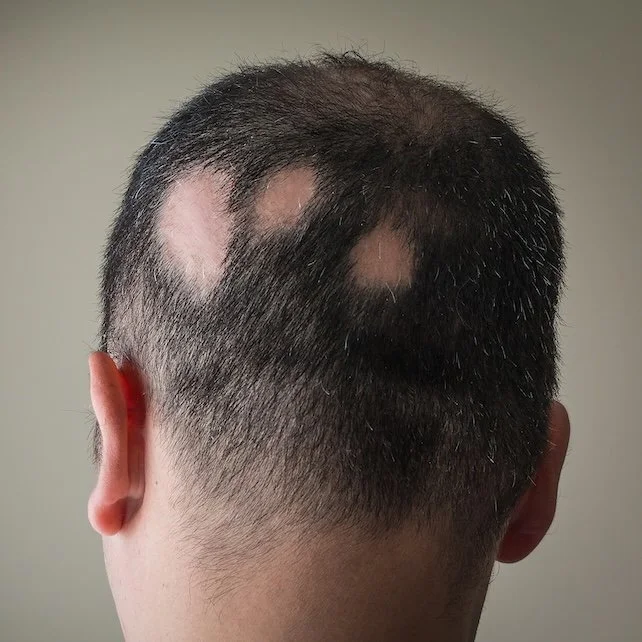
Alopecia areata is an autoimmune condition where the body’s own immune system targets and shuts off hair production in the hair follicles, leading to characteristic circular, coin shaped patches of hair loss.
Central Centrifugal Cicatricial Alopecia
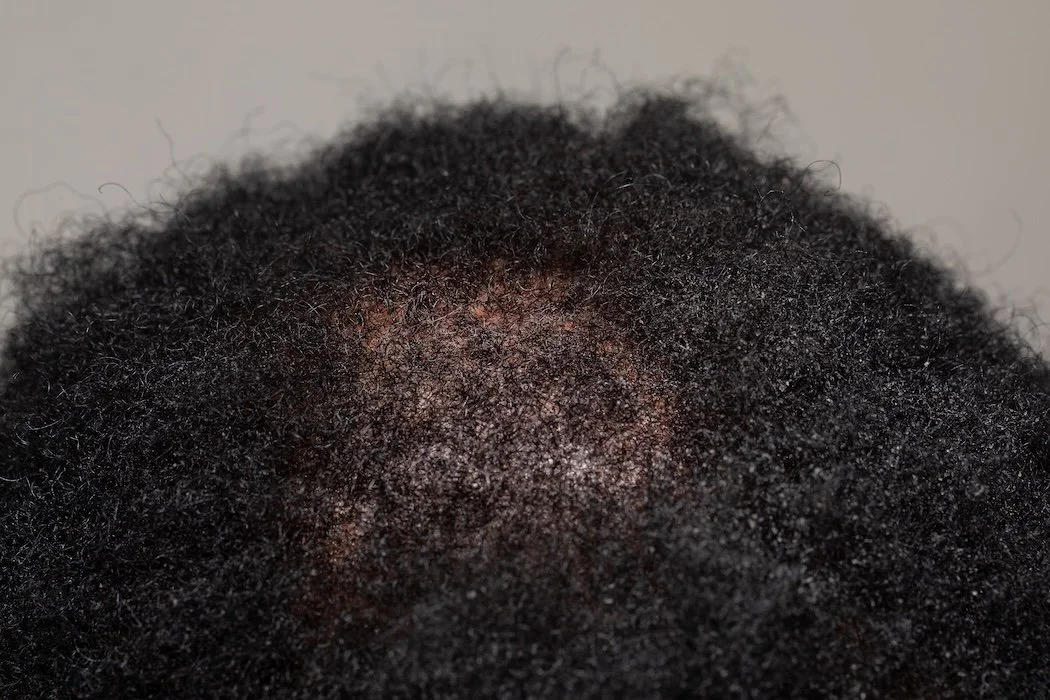
Central centrifugal cicatricial alopecia (CCCA) is a scarring alopecia - a condition which leads to destruction of the hair follicle and permanent hair loss. It predominantly affects middle aged Black women. Affected individuals experience a gradually…
Female Pattern Hair Loss (Androgenetic Alopecia)
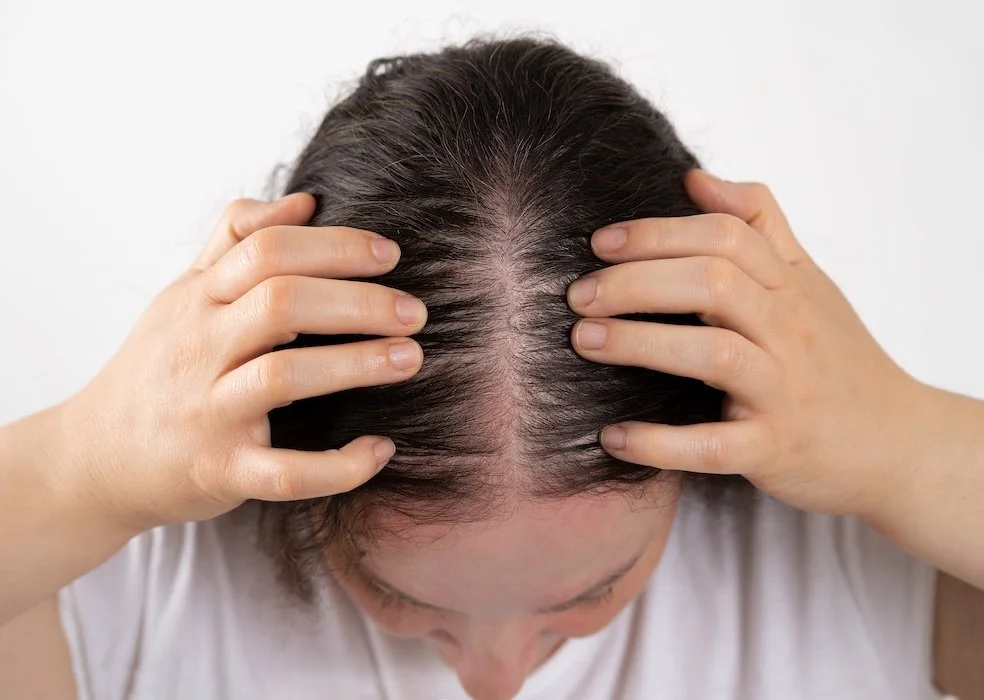
Female pattern hair loss, also known as androgenetic alopecia, is the female counterpart of the more widely recognized male pattern hair loss.

Frontal Fibrosing Alopecia
Frontal fibrosing alopecia is a relatively new hair loss condition that was first described in the 1990s. Though initially thought of as a rare condition, frontal fibrosing alopecia has become increasingly more common with the reported incidence increasing worldwide.
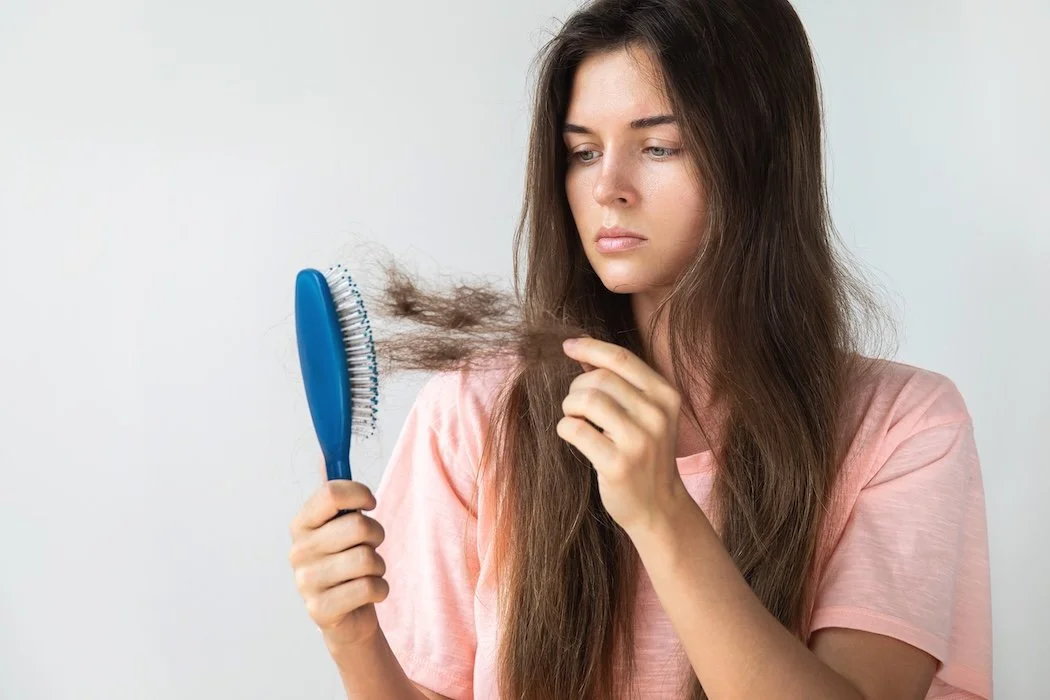
Hair Loss
Our body is continually growing new hair. As new hair grows, the old hair is shed. It is normal for an individual to shed or lose between 50 to 100 hairs a day. Hair loss occurs when there is excessive shedding (beyond the typical 50-100 hairs a day) or when the hair follicles become dormant or destroyed, resulting in the lack of new hair growth.
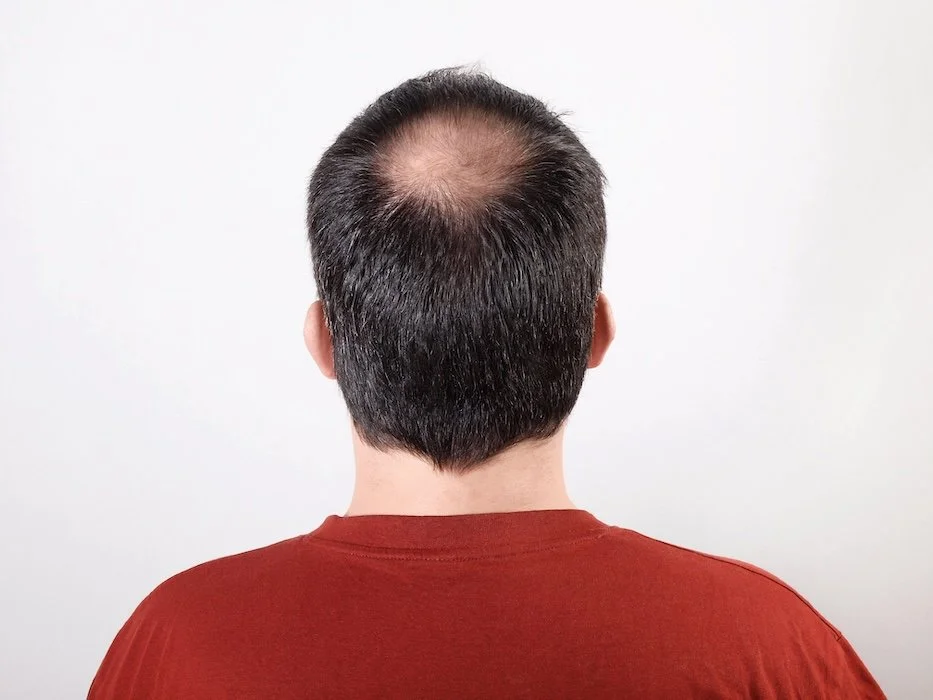
Male Pattern Hair Loss (Androgenetic Alopecia)
Male-patterned baldness or androgenetic alopecia is the most common form of hair loss affecting men. The condition can start as early as late teens or early twenties, but typically is more common in older men.

Telogen Effluvium
Telogen effluvium is a common cause of temporary hair loss caused by excessive shedding of telogen or resting hairs. All hair cycles through the stages of hair growth - from growing to involution to resting and eventually shedding. In a normal scalp, about 90-95% of hair follicles are in the growing phase, with only about 5-10% of the hair being shed.